
2025 Annual Report
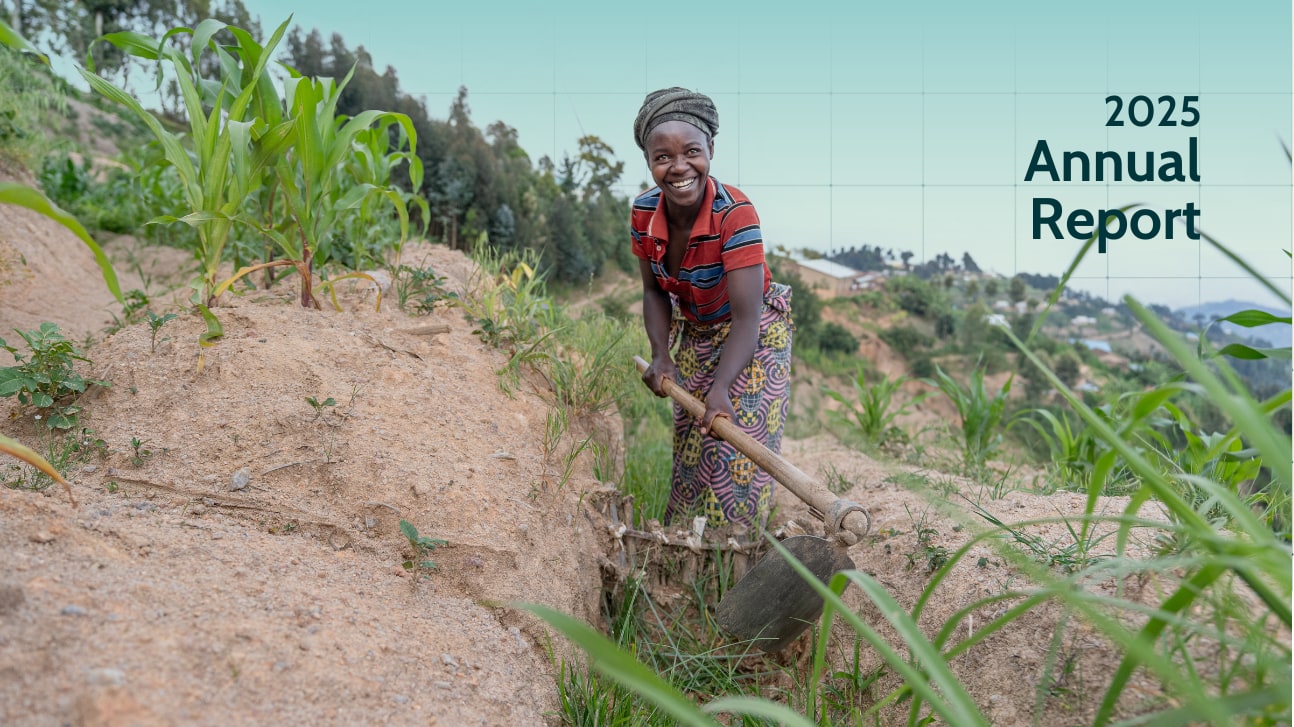
A year of growth, learning, and measurable impact
Raising The Village exists to build a world where last-mile communities can create a future beyond ultra-poverty. In 2025, we continued building toward this vision by strengthening program delivery, expanding our work across Uganda and our Learning Hub countries, and deepening our understanding of how our model performs across different contexts.
Guided by Venn, our data-for-action engine, we remained focused on program quality, cost-efficiency, and continuous improvement as we scaled. The truest measure of this work is the progress achieved by partner households. The 2023 cohort, which graduated in 2025, achieved a 6x return on program investment within 24 months, with average daily Household Income and Production rising from USD $0.65 at baseline to USD $2.15 at graduation. Longer-term results also showed that outcomes continued to grow after graduation, with the 2020 cohort achieving a 19x return on investment five years after launch.
The sections below highlight our reach and program delivery outputs from our 2025 Annual Report.
Expanding partnership with last-mile communities
.png)
In 2025, we partnered with 647,285 community members across Uganda, Rwanda, and the Democratic Republic of the Congo, bringing our cumulative reach since 2016 to nearly two million people. As part of our learning and adaptive framework, we are implementing multiple program delivery models to support scale across different contexts in sub-Saharan Africa.
Through our Learning Hubs in Rwanda and the Democratic Republic of the Congo, we are testing and adapting how the program performs across different contexts and delivery pathways, including those led by government and local partners. This work informs how we scale while maintaining quality.
2025 program delivery highlights
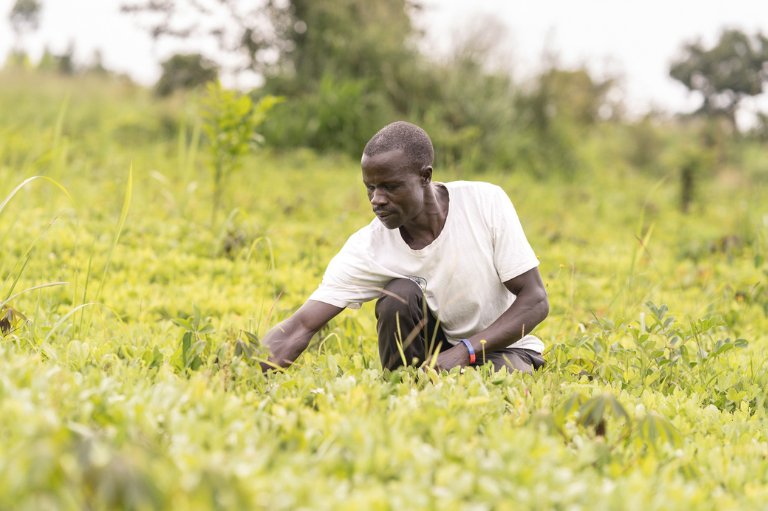
Raising The Village’s model supports households to build stronger, more resilient livelihoods through a connected set of interventions that respond to the realities of last-mile communities. Agriculture remains the primary driver of income growth, supported by quality inputs, practical tools, hands-on training, and ongoing coaching that help households improve production over time.
This is reinforced by access to savings and credit through community-managed VSLAs, which enable households to invest in their livelihoods, meet financial needs, and launch local initiatives. At the same time, support for food security, WASH, health access, and local leadership helps reduce barriers to participation and strengthens the systems communities need to sustain progress beyond the program period. In 2025, this approach was reflected across a range of program outputs that supported households and communities throughout the year.
Agriculture
- 3,315 tons of good-quality household seeds distributed.
- 114,304 agriculture tools distributed.
Financial inclusion
- 1,046 community initiatives launched, including livestock, agriculture, business, and home improvement initiatives.
- 1,192 training sessions delivered for financial literacy, VSLA, and business enterprise selection.
Health and wellbeing
- 25,572,600 seedlings distributed, including 20 varieties of vegetable seedlings distributed on average for each household.
- 351 wells and boreholes constructed, springs rehabilitated, and rainwater harvest tanks installed.
- 3,367 Health Outreach days held in partnership with local health officials to provide treatment and referrals for common illnesses.
Community systems and leadership
- 6,541 Agriculture Champions elected.
- 7,403 youth and 9,133 women in community leadership positions.
What change looked like
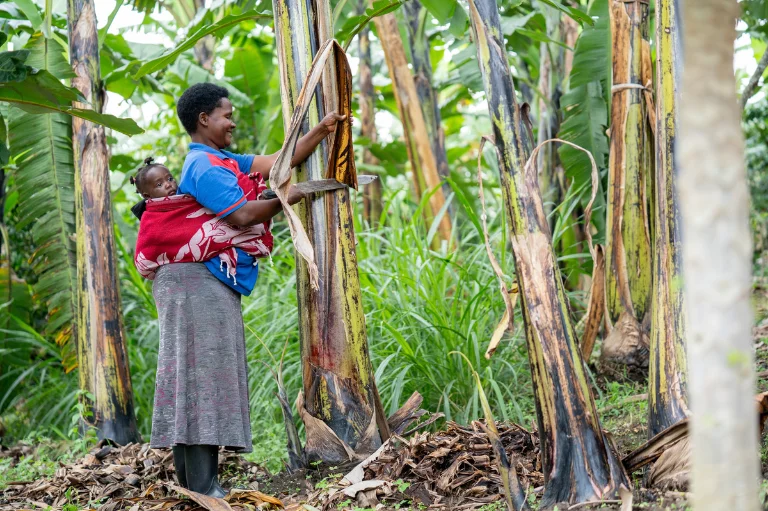
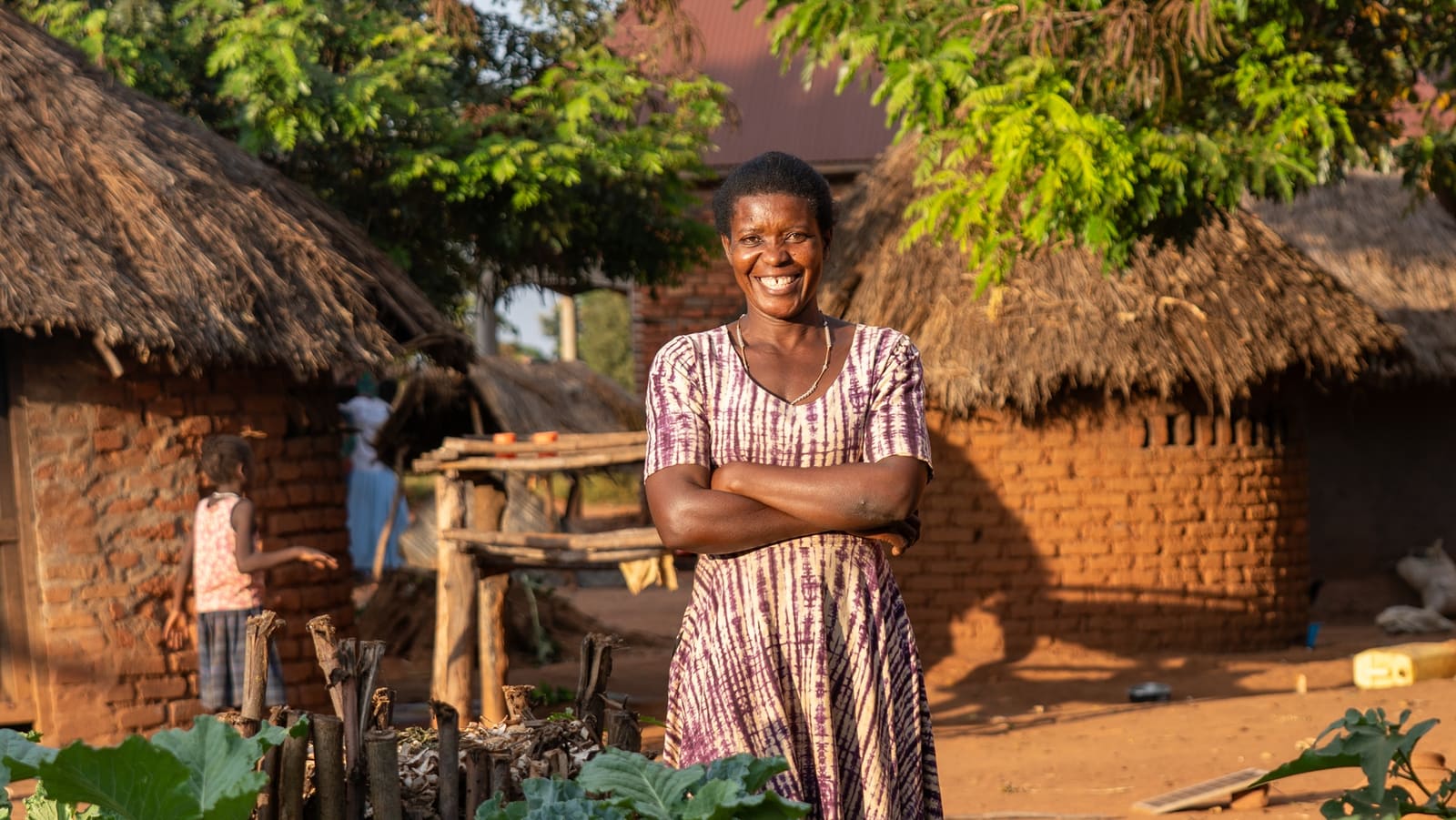
Apolo and Sylivia are neighbors in a last-mile village in Mitooma District, Uganda. Like many families in their community, they rely on subsistence farming to support their households. Years of low agricultural yields, poor sanitation, and limited access to savings made it difficult to improve their livelihoods and plan for the future.
In 2025, their community partnered with Raising The Village to improve agricultural income and address barriers that prevent households from fully participating in economic activities. The inputs, training, and coaching they received have helped them improve crop production, strengthen access to nutritious food, and participate in savings groups that provide affordable credit for investments in livestock and small businesses. Their story reflects how connected support across agriculture, financial inclusion, WASH, and local leadership can help households build stability and contribute to progress across their community.
Read more stories
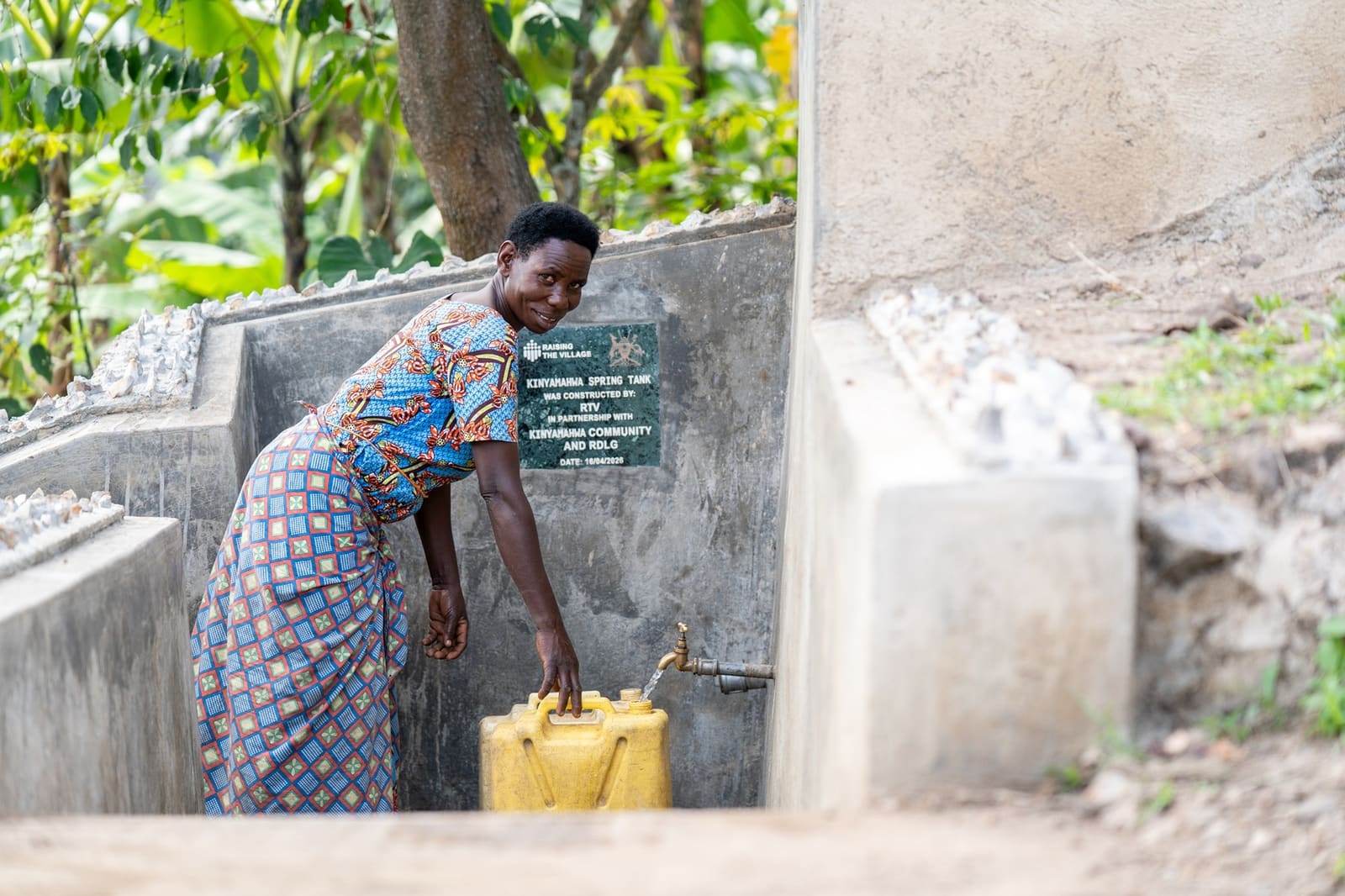
Clean water, stronger communities
Building a future that feels possible
Last-mile doesn’t mean last in line.
Join the mission
Last-mile doesn't mean last in line. Every community deserves dignity and agency.