
Addressing Food Insecurity in the Pandemic
The COVID-19 crisis is toppling economic activity and magnifying the number of people living close to and below the poverty line.
The World Bank projected that over
, up by 130 million from 135 million in 2019.
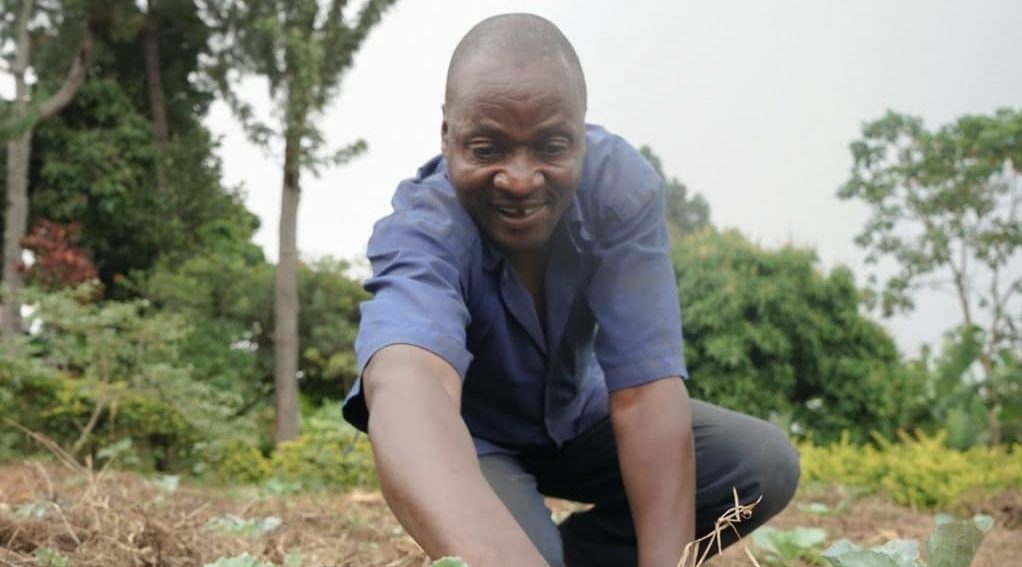
Lawrence Byarugaba, a father of six, is one of the community members of Rwemishinya village in Kanungu District and has been deeply affected by the crisis of food scarcity, as well as by the adverse effects of COVID-19. Like many in his village, Lawrence’s livelihood deteriorated following the market disruptions brought on by the government imposed lockdown measures in the wake of the pandemic.
“My family and I reached a point where we would eat plain Matooke* on a daily because we did not have money to buy sauce.”
Lawrence and his family are not the only ones who have been drastically affected by the unavailability and instability of food supplies. RTV’s evaluation team has been monitoring the impact of COVID-19 on household income and consumption in last-mile communities, and even at the early stages of the pandemic the findings were nothing but worrying.
RTV developed a rapid response plan to address the situation in our partner communities and beyond with the
“I can now invest the money I would have used in buying vegetables to buy other things like posho* and investing in my children’s education.”
More people around the world, and mostly in this particular region could fall - if they haven't already fallen - into extreme poverty because of COVID-19. In a world where the most disadvantaged households spend around 70% of their incomes on food and have very limited access to financial markets, their food security becomes increasingly vulnerable to economic instabilities and unexpected income shocks, making it harder to break the cycle of ultra-poverty.
Programs like the Ready-to-Eat boxes, can help absorb such income shocks, prevent the loss of productive assets, and empower our partner households to continue moving towards progress to remain above the extreme poverty line.
*
Read more stories
Growing together
A future built on new learnings
Last-mile doesn’t mean last in line.
Join the mission
Last-mile doesn't mean last in line. Every community deserves dignity and agency.