
Changing mindsets, changing lives
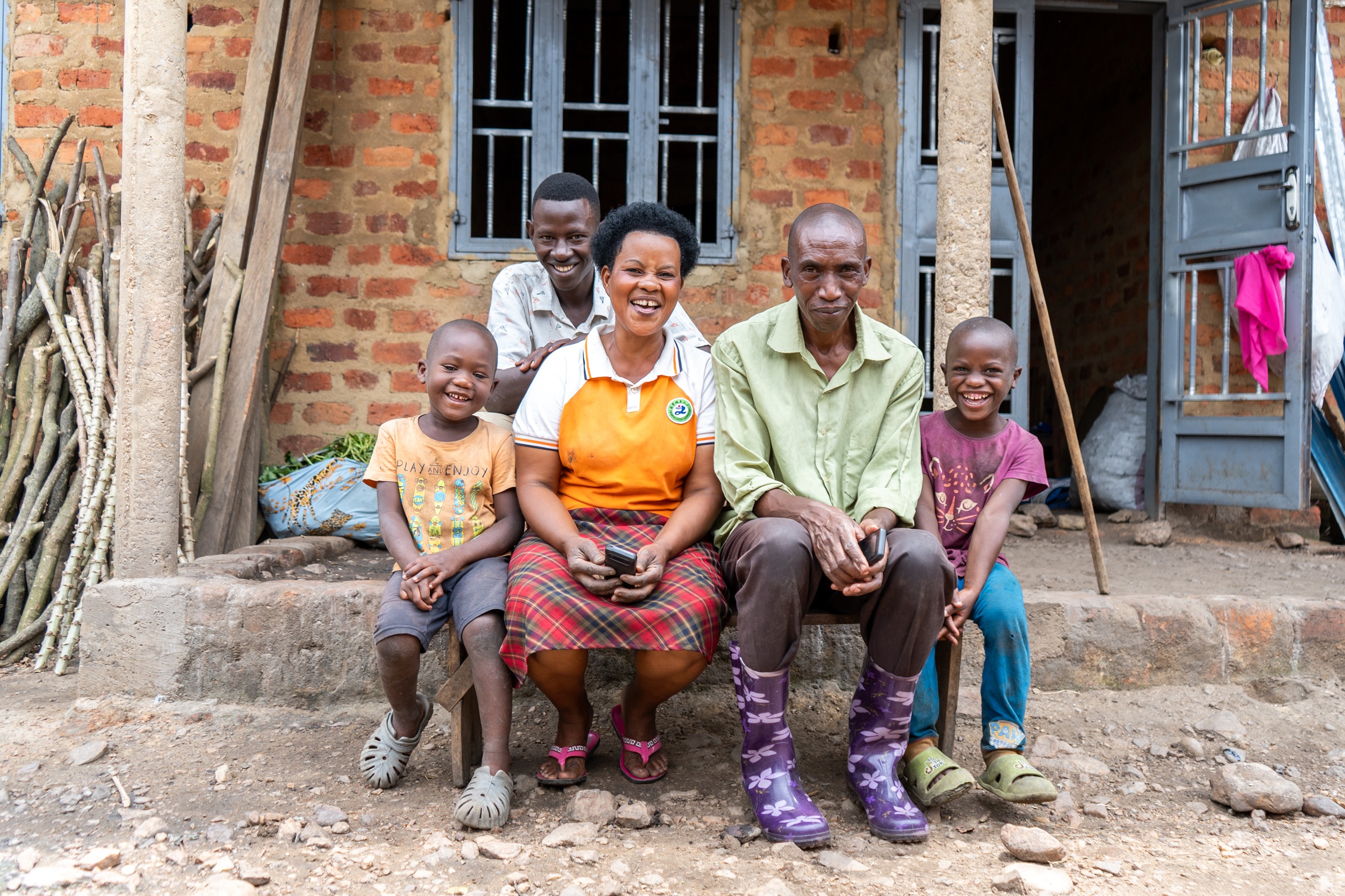
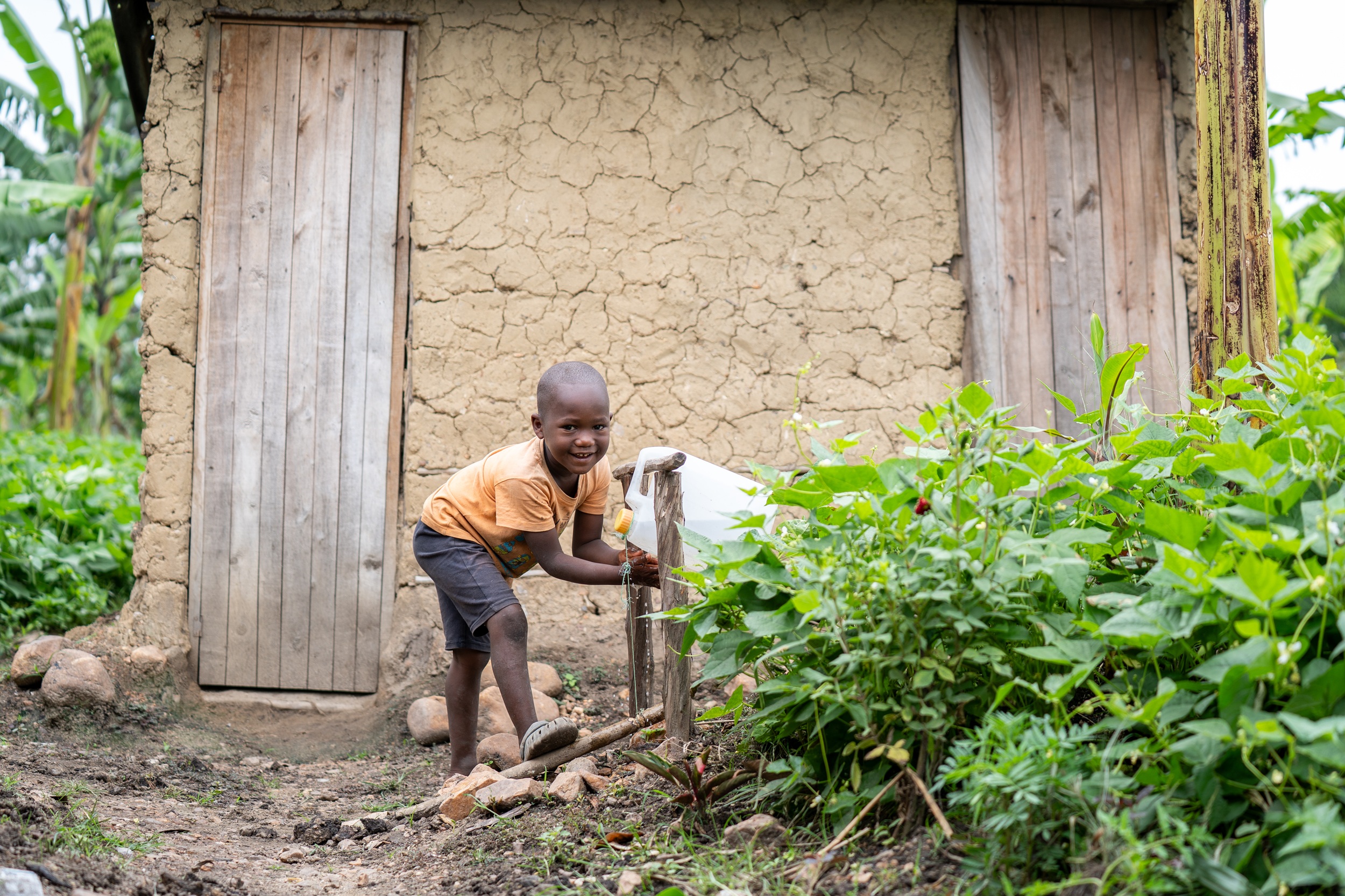
In a last-mile village in Kanungu District, Enid and her husband Frank are raising their large family of eleven children, relying mainly on the crops they grow, beans, groundnuts, coffee, sweet potatoes, cassava, millet, and a variety of vegetables. For years, their gardens produced just enough for home use, leaving little room for planning ahead or meeting expenses when they rose. "I would find it difficult to make ends meet due to my low agricultural production, which mainly catered to my household needs and was cultivated on a small scale," Enid recalls. "Our income was always limited, which made it challenging to meet my family's basic needs." Health was also a concern. "My family consistently faced health issues because of inadequate hygiene and sanitation," she says, "Illnesses like malaria, typhoid, and diarrhoea often plagued our household."
When RTV partnered with her community in early 2024, Enid participated in a series of training sessions on agriculture, financial literacy, sanitation, hygiene, and mindset change. That last training left a particular impression on her. "Mindset change training became my favourite because it significantly shifted my perspective on various aspects of life. This training instilled confidence in me, leading me to volunteer for the role of village champion. I wanted to believe in myself more and gain a better understanding of the various programs available."
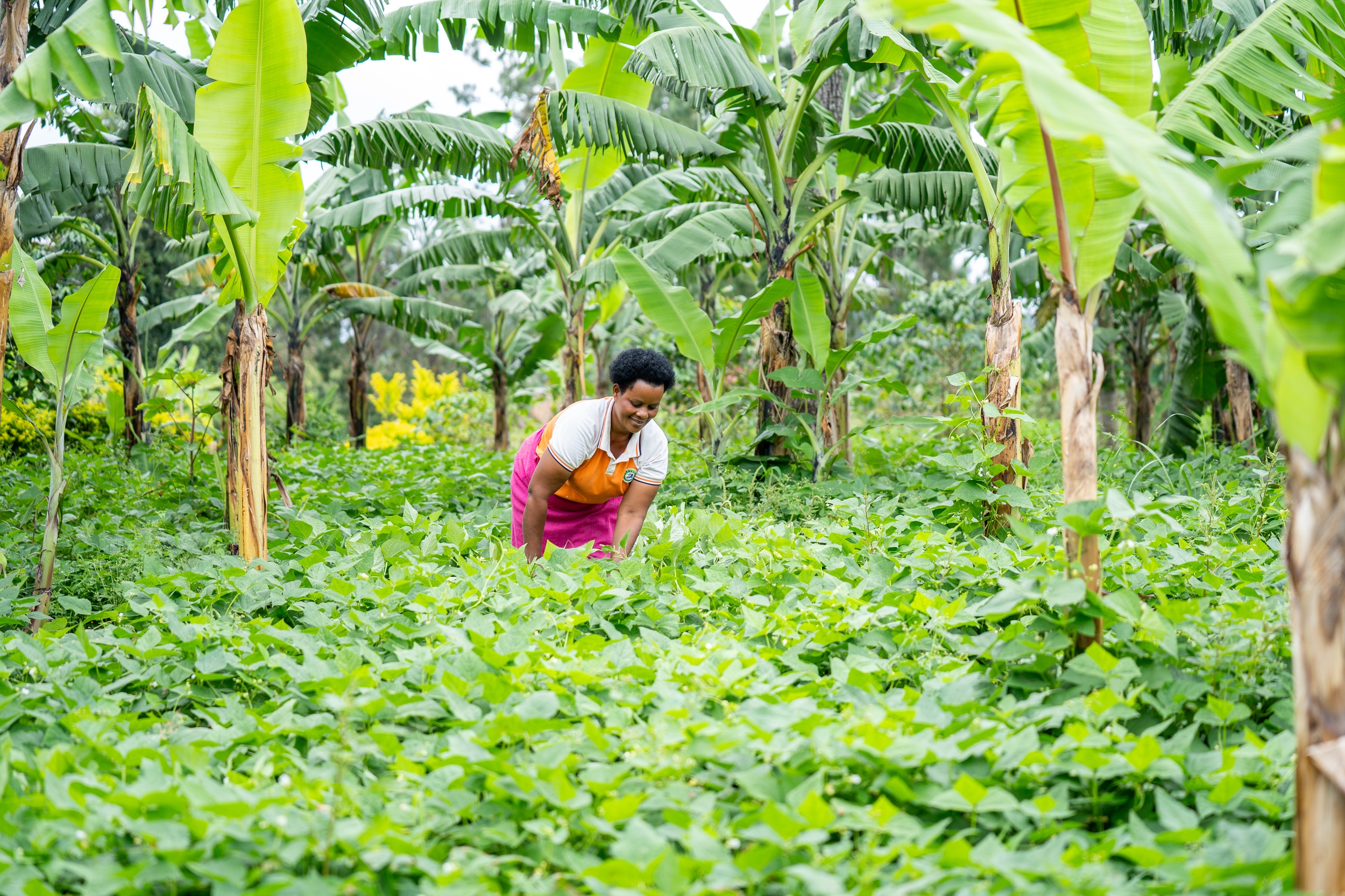
Today, Enid is the Agriculture Champion for her village, overseeing 20 households. She visits each one, checking on gardens and basic household components and providing guidance where needed. "I consistently monitor the various agricultural elements within the households I'm responsible for," she explains. "I ensure they have water trenches, compost pits, and vegetable gardens. I also provide training for those who need assistance, particularly in creating organic manure and managing livestock." Her leadership begins at home. "I take pride in having some of the finest gardens in our village, as I strive to set a positive example for my fellow community members," she says. "If my gardens were struggling, how could I really be seen as a champion for the village? It wouldn't reflect well on the standard I aim to uphold." With improved farming techniques, her family's harvests increased, creating a level of food security they had long hoped for and allowing them to plan for more.
.jpg)
These gains opened opportunities that once felt out of reach. "After enjoying successful harvests in previous seasons, my husband and I sold our crops and invested the proceeds into starting a livestock farm," she shares. "We primarily raise goats and pigs, which have significantly increased our household income. As a result, we can comfortably cover our children's school fees." Enid also expanded a small fish business, supported by affordable credit available through her women's savings group. "The first time I took a loan, of UGX 500,000, was to cover my children's school fees," she says. "The next time, I borrowed UGX 120,000 to invest in a fish business in my village."
Each week, Enid saves UGX 10,000 in her group, gradually building toward long-term goals. Together with her husband, Frank, she plans to complete her family's house, keep all their children in school, purchase more farmland, and add cattle to their livestock in the next two years.
Read more stories
.jpg)
Clean water, stronger communities
Building a future that feels possible
Last-mile doesn’t mean last in line.
Join the mission
Last-mile doesn't mean last in line. Every community deserves dignity and agency.