
Building a future that feels possible
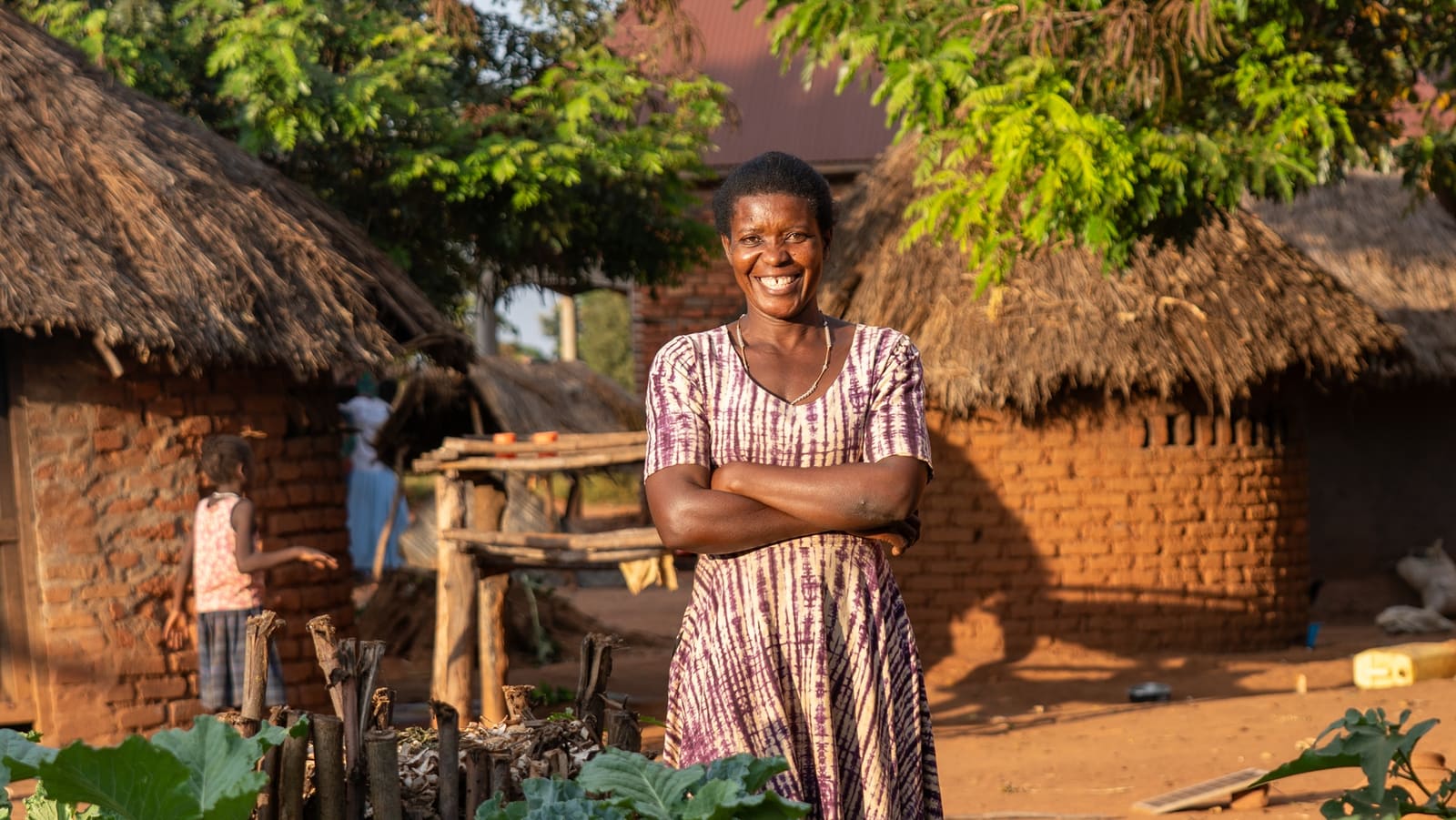
Sarah, a 35-year-old farmer from a remote village in Innula, has been building her family’s future through farming and expanding into new income-generating work. “I want to transform my family through farming,” Sarah explains. “I want to be able to take children to school and also start a business.”
This confidence stands in stark contrast to how life looked just a few years ago, for Sarah, who lives with her husband, their children, and her grandparents. Farming has always been central to the household, with coffee, maize, beans, groundnuts, tomatoes, and other crops grown mainly for home use. Her husband also trades in livestock, buying and selling animals when possible. Still, income was often limited, and planning beyond the next season felt uncertain.
That began to change in 2023, when the community partnered with RTV. Sarah remembers the practical focus of the early sessions. “They taught us many things. How to mix organic manure, good agronomic practices, how to care for coffee, and pest management,” she says. Applying what they learned helped stabilize production, even as weather conditions remained unpredictable. “We are only affected because of the hot temperatures, but we have learned a lot,” she adds.
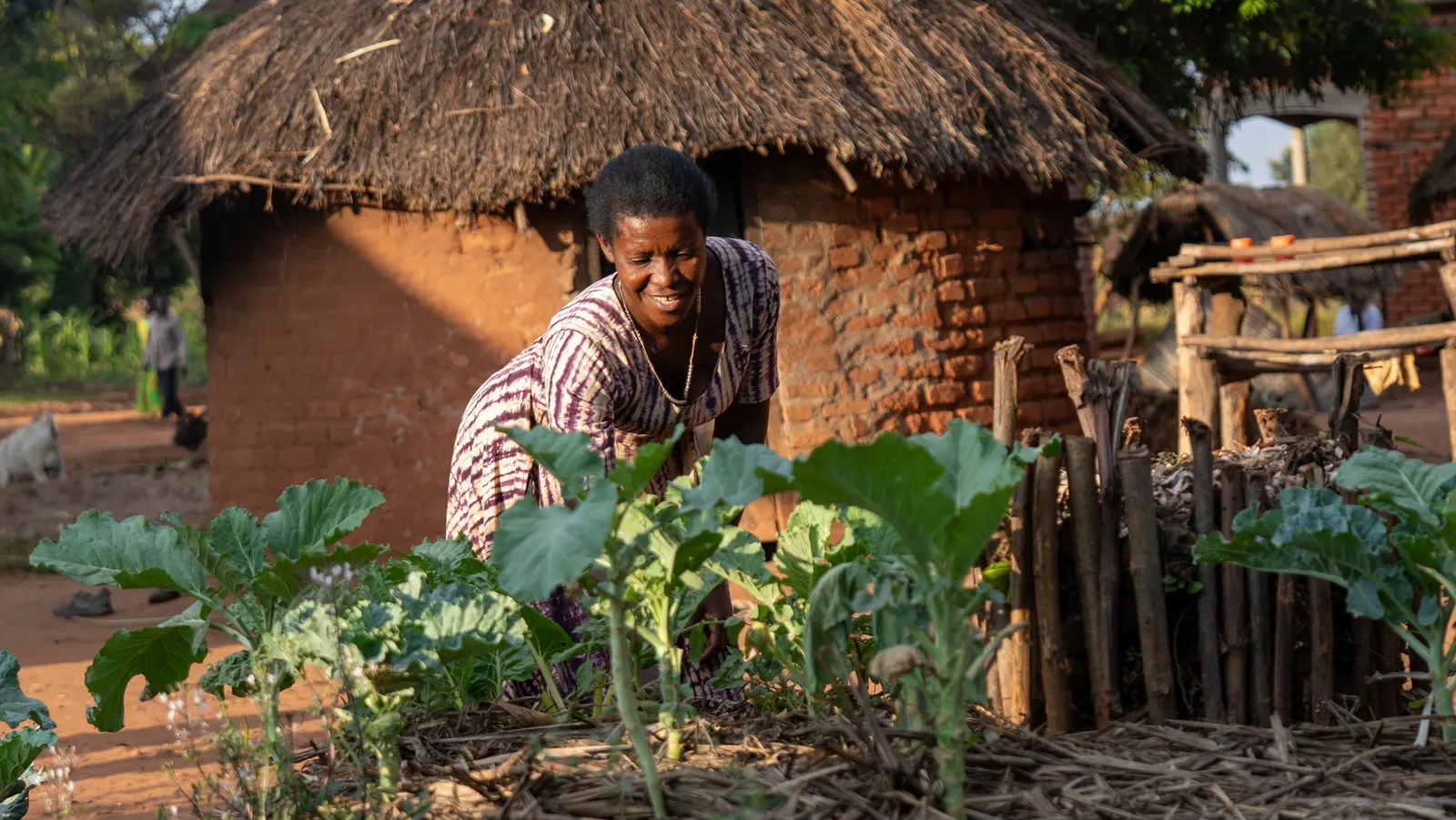
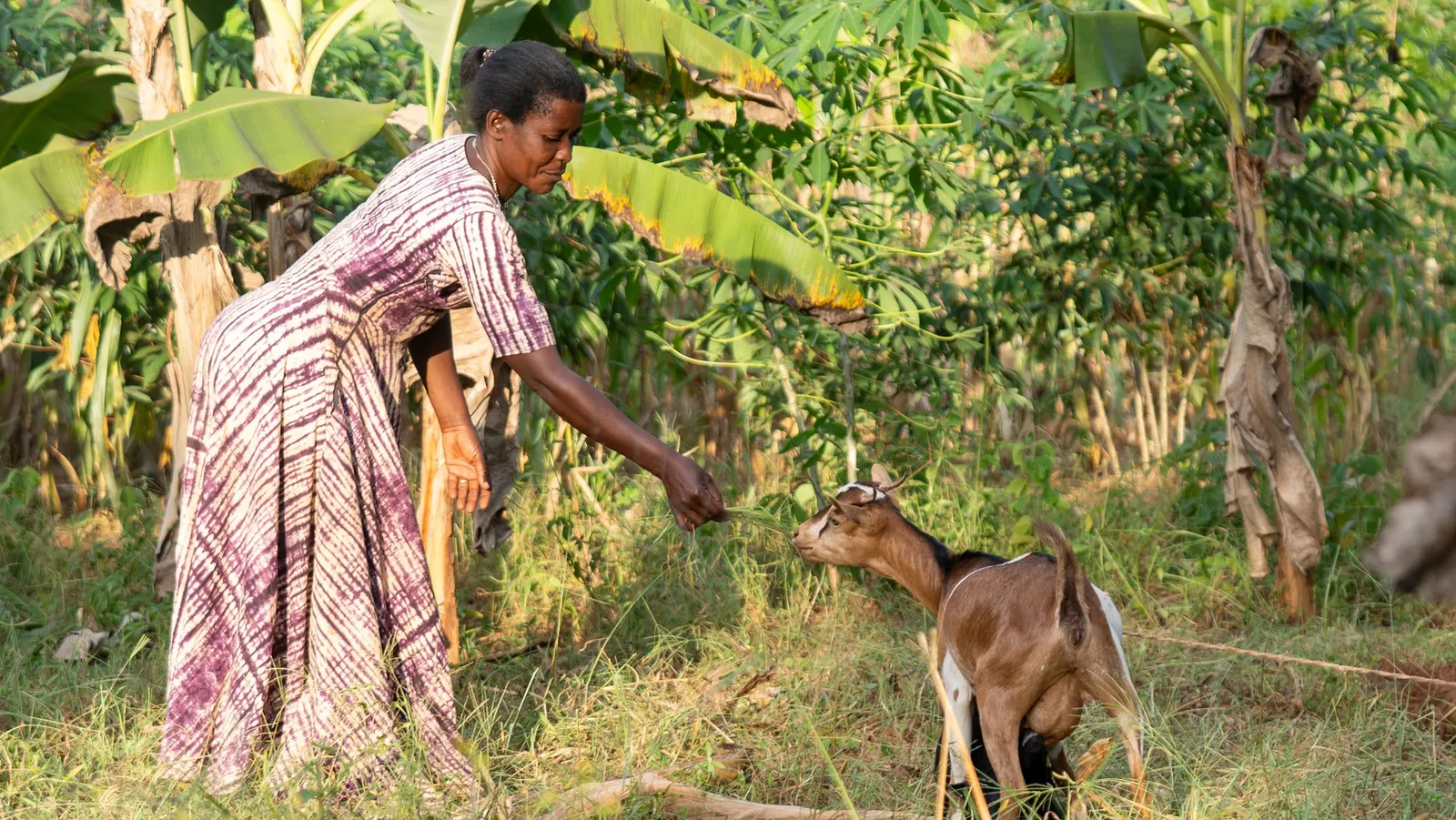
One of the most visible changes came through vegetable production. “One of the best things that has helped us is the keyhole garden,” Sarah explains. “Sometimes I would ask my husband for money for vegetables, but he wouldn’t have any. Now we have it in our garden.” Over time, she expanded the keyhole garden into a larger backyard plot, adding tomatoes and other vegetables. “I not only eat the vegetables but also sell them,” she says. “The money I get I can use at home, pay school fees, and also save some of it.” Savings soon translated into assets. From her contributions, Sarah bought a goat and began setting aside money for future plans. Training on hygiene also changed daily routines at home. “Diseases caused by poor hygiene have reduced significantly,” she notes.
As the household evolved, so did how decisions were made. “Through the different programs we learned the importance of joint decision making, my husband and I are now both decision makers in our home,” Sarah says. Additionally, she stepped into community leadership and was elected chairperson of her savings group. “I love the fact that the women in my village trusted me to lead them,” she shares, noting that she has since been encouraged to consider leadership at the sub-county level.
Looking ahead, Sarah is saving to build a poultry structure and start poultry farming, with the longer-term ambition to open a hardware business. She also plans to buy a motorcycle, she says, which would make it easier to manage her activities.
Read more stories
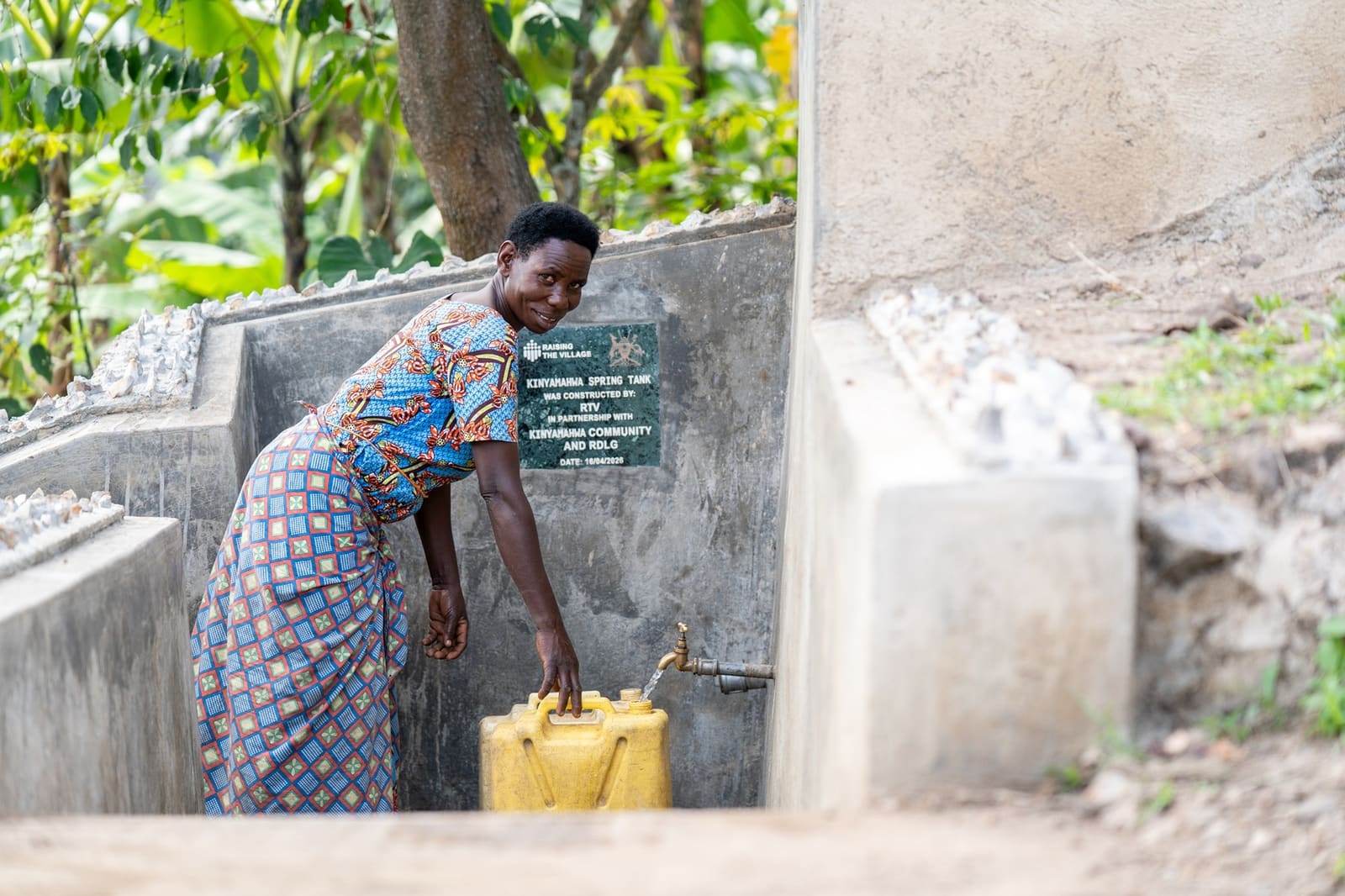
Clean water, stronger communities
Building a future that feels possible
Last-mile doesn’t mean last in line.
Join the mission
Last-mile doesn't mean last in line. Every community deserves dignity and agency.