
Turning savings into opportunity
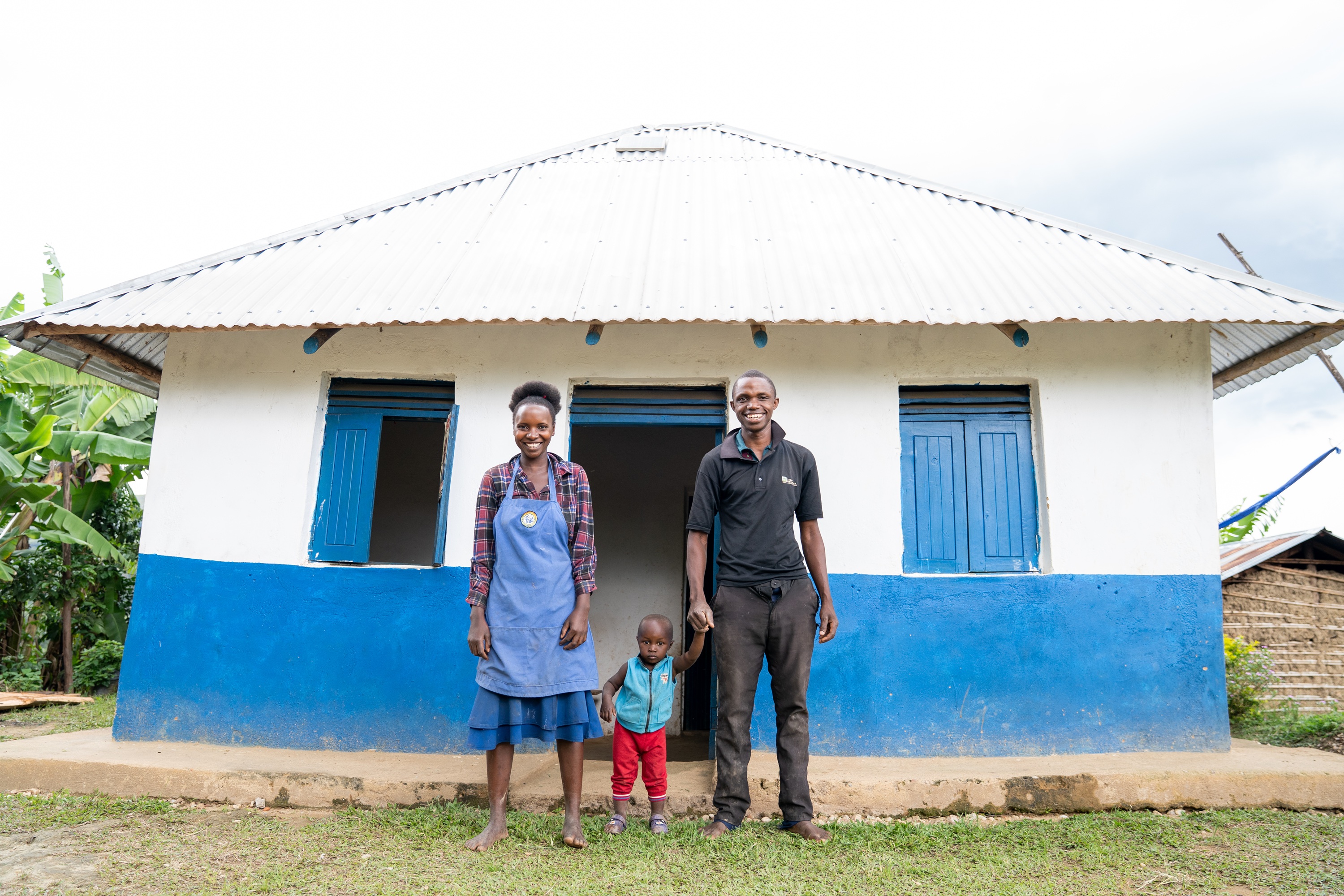
Aggrey spends part of his day tending to the chickens he now raises at his home. The poultry enterprise is one of several income sources his household has added in the past two years. For the 28-year-old farmer from a remote village in Kanungu district, this is a significant change from a few years ago. Aggrey and his family have always relied heavily on farming. But low harvests often left little income to save or invest in other economic activities. "I lacked proper knowledge about effective farming techniques," he says. He had limited knowledge of financial planning and had never participated in a savings group. In 2024, Aggrey's household and others in his community joined Raising The Village's program. Through agricultural, financial literacy, and livestock management training and access to a Village Savings and Loans Association (VSLA), Aggrey began applying new practices on his farm while building a way to save and access affordable credit. Over time, those changes opened opportunities to invest beyond the crops his household had traditionally relied on.
Growing more and diversifying production
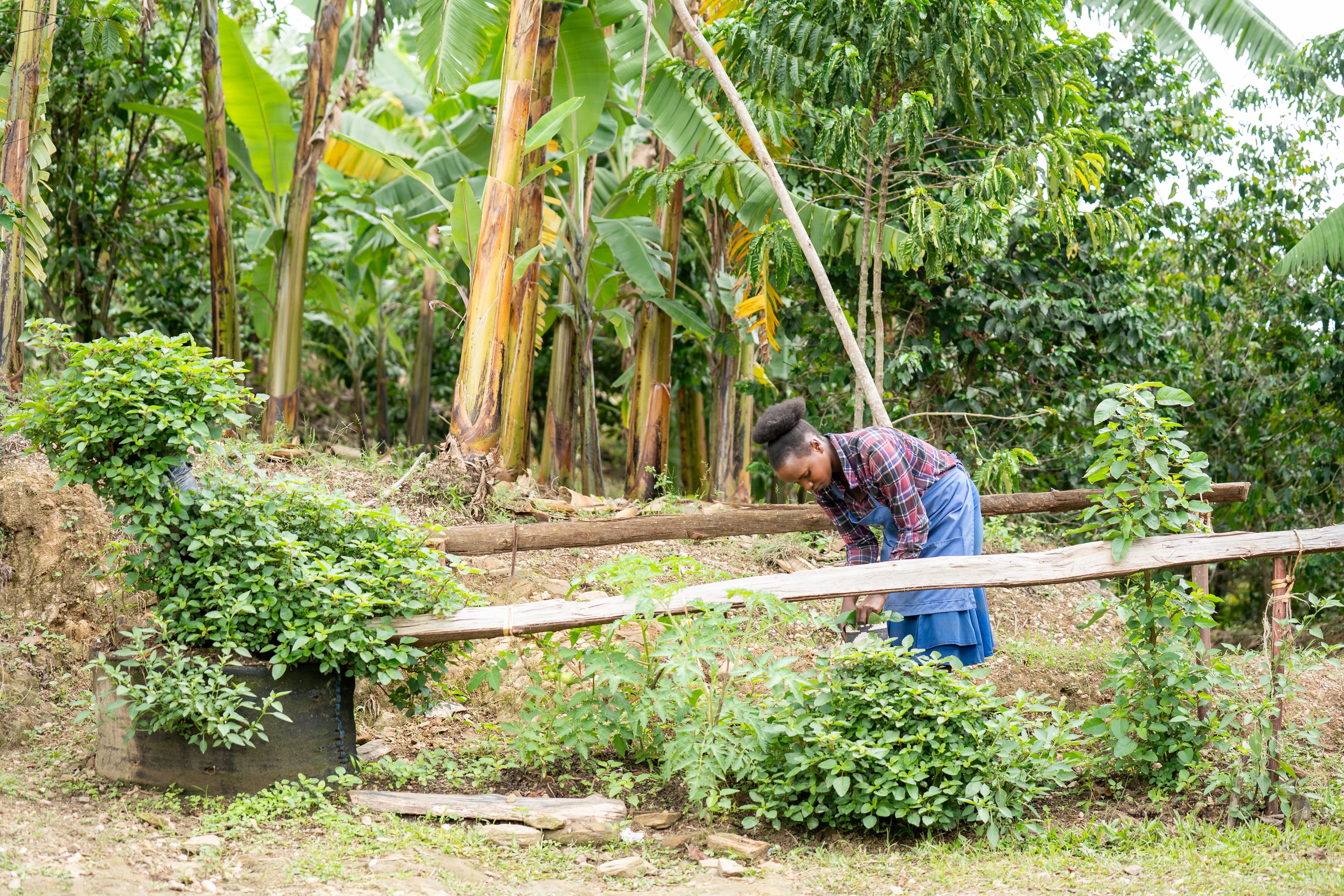
One of the first changes Aggrey made was to start growing vegetables, a practice he says was uncommon in his village. "During one of the training sessions, I learned the significance of cultivating and eating vegetables," he says. He learned to establish and maintain keyhole and backyard gardens and received seeds for amaranth, cabbage, sukuma wiki, spinach, tomatoes, spider plant and black nightshade. "I received a variety of vegetable seeds … which have significantly enhanced my family's wellbeing," Aggrey says. His household now grows vegetables close to home and incorporates them more regularly into meals. For Edith, this has become an important part of the family's wellbeing. "We hardly encounter health problems because we maintain a healthy diet, consistently incorporating vegetables into most of our meals," she says.
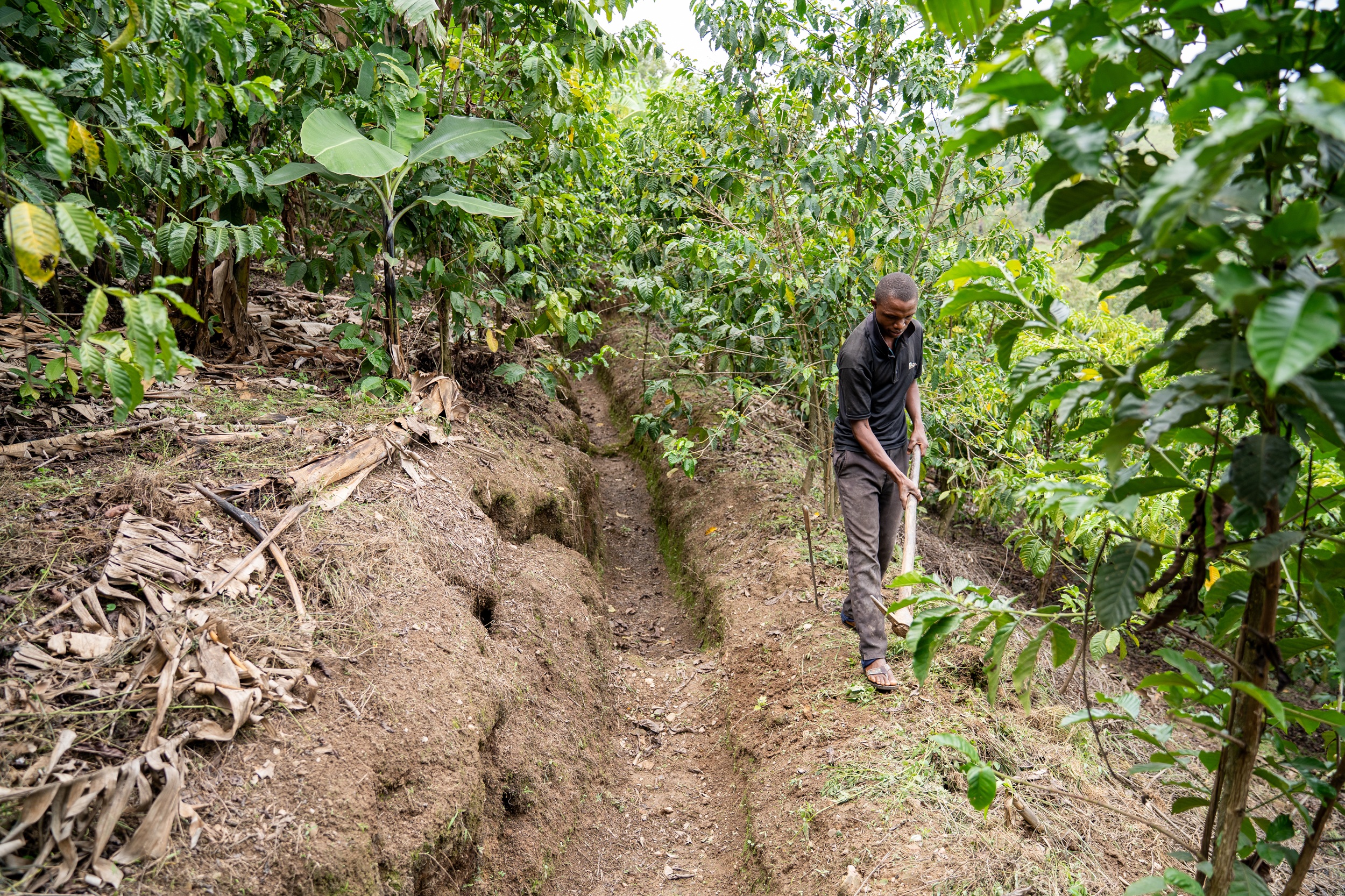
Aggrey also learned to make organic manure and adopted improved farming practices to strengthen production of the crops his household already depended on, including coffee, beans, sweet potatoes, bananas and cassava. Before the program, he says pests, diseases and limited knowledge of farming practices contributed to consistently low harvests. Learning to manage his crops differently, while adding vegetables to the farm, has helped him use the land available to the household more productively.
Putting these practices into use required time. Training sessions sometimes overlapped with farming and other responsibilities, and Aggrey had to reorganize his schedule to participate. Looking back, he identifies vegetable growing, organic manure, financial literacy, and saving as some of the most important things he learned through the program.
Turning savings and credit into new opportunities
Before 2024, Aggrey had never participated in a savings group. "I had a weak savings habit and wasn't involved in any savings groups," he says. "Additionally, my income was quite low, which made it difficult for me to save." Joining a VSLA gave him a way to save and access affordable credit for investments that would have been difficult to make from farming income alone. "VSLAs have offered financial solutions to various challenges I faced," he says. "I've had the opportunity to borrow money on multiple occasions, which helped me tackle problems and even launch income-generating ventures."
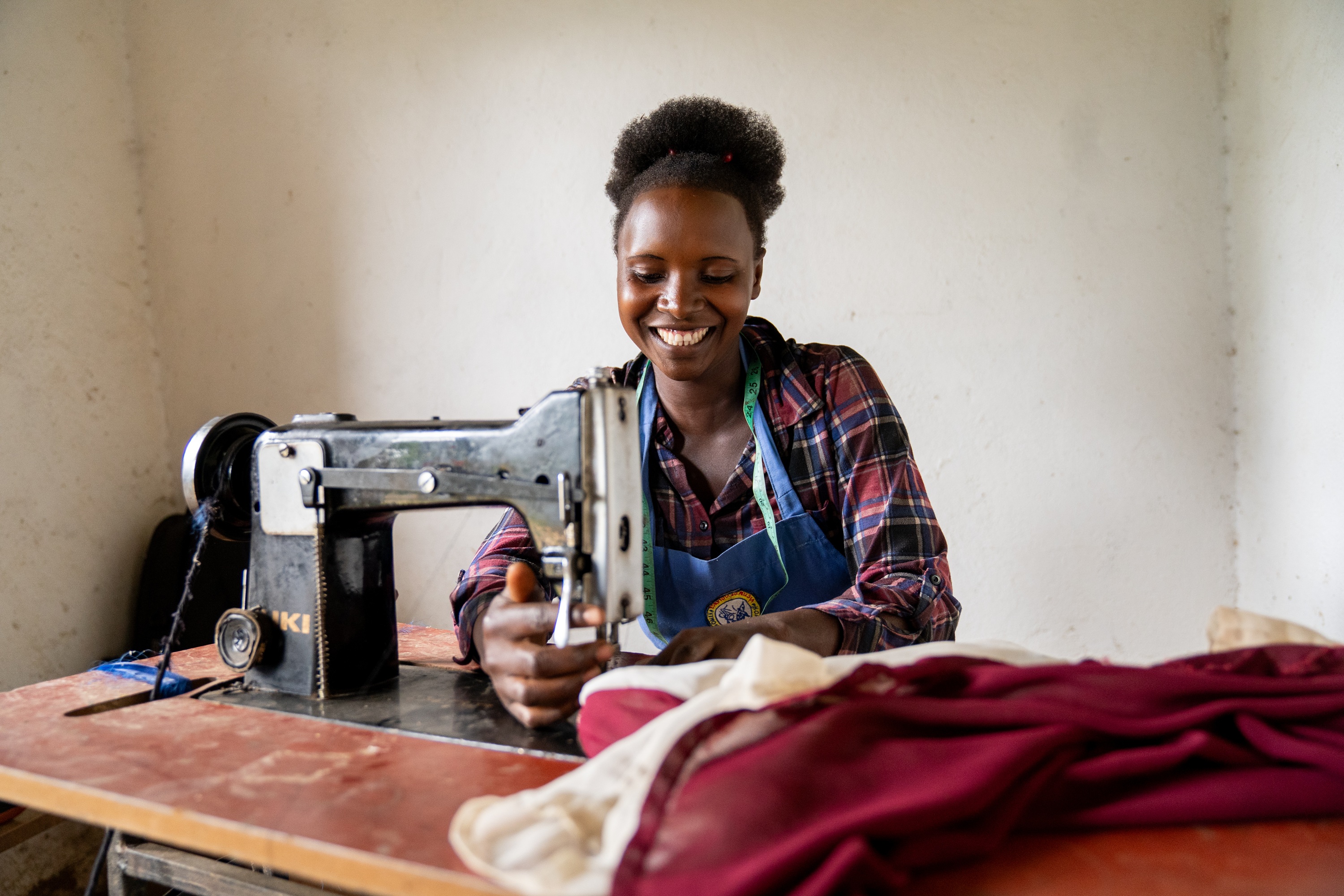
Aggrey used a loan to buy two goats. On another occasion, he combined a loan with his own money to buy an acre of farmland, where he planted coffee and bananas. He has also established a poultry enterprise, where he can sell a mature chicken for between UGX 45,000 and UGX 50,000. The household also purchased a sewing machine, which Edith uses for sewing alongside a shoe-mending business.
Agriculture remains at the center of the household's livelihood, but it is no longer their only economic activity. Farming, livestock, poultry, sewing and shoe mending now give Aggrey and Edith several ways to earn income, meet household expenses and reinvest. For Edith, the change is reflected in their daily life. "My husband has always met our essential needs at home," she says. "Overall, we are living a joyful life."
Not every constraint has changed. Aggrey and Edith still travel long distances to collect safe water, and each trip takes about an hour and a half. The time required still affects how they balance farming, their businesses, and other responsibilities at home. But the household now has more options than it did two years ago. Aggrey wants to continue building on what he has started by expanding his poultry enterprise, beginning cattle farming and, within the next two years, establishing a textile business in his village.
Read more stories
Turning savings into opportunity

Last-mile doesn’t mean last in line.
Join the mission
Last-mile doesn't mean last in line. Every community deserves dignity and agency.